Media performs very important functions in the society. In modern democratic nation‐state system, it is considered as the fourth pillar of the state whose functions are indispensable for the smooth and effective functioning of a governing systems. It is the dire need of today’s globalized people to be aware of their surroundings. Therefore everyone gets information through easy accessible sources of media. Mainly mass media is involved in providing latest information about the whole world, national, and local events. Both print and electronic media provides important function of influencing public opinion, informing with recent developments on all issues, surveillance, determining the political agenda, criticism, awareness, and social & moral development of society. Media performs crucial functions in a society, but some time its role may turned negative.
The role of Press Freedom remained crucial to Afghanistan’s preparations for the presidential elections of 2014, saying press freedom, security of journalists and the right to obtain information would be among the most meaningful channels to a democratic and transparent leadership transition. Media, undoubtedly played an immense role in recording possibly all means of frauds and irregularities.
A very dynamic role that media is playing in bringing social change. Media has reshaped afghan society with its vibrant approaches. It highlighted the core issues and evils of society and pushed the forces for social change. Corruption, poverty, illiteracy, social taboos, violation of human rights, oppressing laws, traditional customs, injustice all are exposed by media in many parts of the country. Those issues which were considered as secondary or less important become the priority just because of active role played by media.
A free press is the symbol of a free people. An independent, well-informed press is a powerful check on arbitrary governments and irresponsible administrators. For newspapers are agents of the public, which bring to the notice of the people acts of injustice or oppression, or mal-administration that would otherwise have remained hidden away from public knowledge? They exercise a constant vigilance on the rulers, which is salutary for all.
Media is often considered cutting edge weapon for shaping opinion, perception. On the basis of information it provides, public forms opinion and perception. When media publish or telecast any information it becomes the general opinion of the people about any issue. Today media is used as global opinion maker; both electronic and print media is purchased to shape the perception and opinion of the people. Millions of dollars across the world are spent on the media campaigns, publicities and advertisements Therefore media is called as mirror of society.
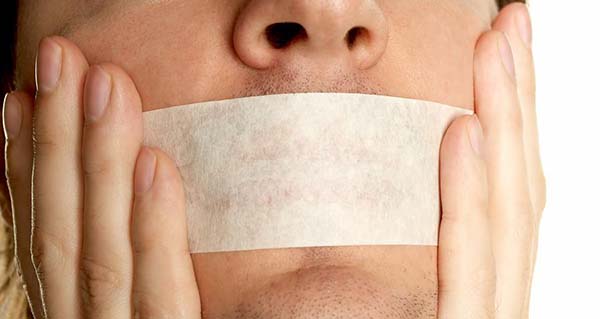
The most important ingredient of democracy is the existence of free and fearless press. In a democracy, the press must enjoy complete freedom and should not be subjected to any restriction. The voice of the press is the voice of the people. Censoring the press means the suppression of people’s voice. So the very survival of democracy inevitably depends on the freedom of the press.
The press plays a very positive and constructive role in a democracy. It keeps the people informed of the national and international news and happenings. It brings to the notice of people the programs, policies and activities of the government. Similarly, it keeps the government in the know of the people’s problems, difficulties, hopes and aspirations. Thus the press plays a dual role. It serves as a bridge between the government on the one hand and the people on the other.
Although Afghanistan had made remarkable achievements in the field of media, journalists continued to face daily threats, intimidation and arrests that undermined their ability to operate professionally. In despondent societies like Afghanistan when it comes to disclosure of fraudulent and corruption of elected parliamentarians or public officials a despotic attitude awaits the fate of the journalists. Afghanistan is one the most unsafe country for journalists. During the Afghan presidential election, 2009 there were reports of attacks on press freedom by influential personalities seeking for desired outcome. Due to instability in Afghanistan, journalists have been as highly targeted as shown by instances of kidnapping and death threats both by government and armed oppositions.
Formerly, the free media support organisation, NAI, announced recording 78 cases of violence against journalists throughout the country in 2013. The NAI reported, six journalists had been killed, four injured, nine arrested, 35 maltreated and 24 others threatened since May 3, 2013. The organization, alleged the government was directly involved in 50 cases of violence against journalists, Taliban in eight, warlords in five and unidentified people in 10. In the light of aforesaid facts, the role of govnermnet as a otherwise is depicted. The governemnt who widely claims to have rendered support to journalists are turned dwon by the report.
It should be kept in mind, the press is the defender and the protector of the rights and liberties of the people and the govnermtn is facilitator. But it can perform this role only if it enjoys freedom in publishing news, views and reporting given there is no restriction on its functioning. It can function effectively only in an open society, where decisions are made in a democratic manner.
The constitutional provision and 2004 media law prohibits censorship, nevertheless Afghan government didn’t gave up an apparent attempt at railroading through a less than media friendly new Mass Media Law without consultation. The new law’s draft ascribed Media Supreme Council that would set editorial policy would be chaired by the Minister of Information and Culture, an alarming direction that would let the government restricts media activities, especially those of news channels. The draft intended to restrict the ability of media to debate or report on areas such as national security and religion. The government could hand down punishment for any report or talk show which it might not like, using national security as an excuse. The draft law still awaits the parliamentary approval. It is feared that after 2014 pull out, a greater degree of restraints might be enacted in the new media law. Lifting all such restraints enable media bodies function without fear and intimidation.
On the other hand media bodies must also abid by the rational rules and regulations. The press should never shirk from its responsibility. It should always act like an impartial judge. It should criticise the Government for its acts of omission and commission and pat its back for any worthwhile achievement. The press should consider it their duty to protect the right of the workers and other downtrodden sections of the people.